Belgium, easily accessible from the UK and perfect for a short break,
is a land of contrasts. The bustling cosmopolitan city of
Brussels, the great port of
Antwerp, the medieval gem that is
Bruges, are perhaps best known, but
Mons,
Tournai,
Ghent,
Liege and Ypres all have something to offer. The flat lands
of the north give way to rolling hills and woods which in turn rise to the lovely
and unspoilt Ardennes region, perfect for walking cycling and canoeing amongst deep
valleys and wooded hilltops. In the far south east is the lovely Duchy of
Luxembourg, where the hills of the Ardennes extend to the outskirts of the city,
which is well worth visiting in itself.
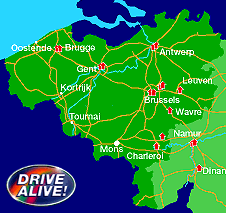
Map of Western Belgium:
Towns and places of interest in western Belgium
Click the place names to book hotels at great prices
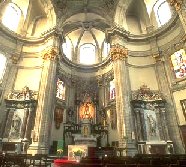
Brussels boasts some of Europe's finest museums and galleries, like
the Musee Royaux de Beaux Arts and the Musee d'Art Moderne as well as the impressive
twin-towered Gothic cathedral. See the Lower Town with its wealth of exquisite guildhouses
and the Upper Town whose wide avenues and grand architecture attest to its role
as the residential area of the aristocracy. Visit the Hotel de Ville on the superb
Grand Place. Enjoy the fine parks.Stroll along the wide boulevards with their excellent
shops. Fine restaurants offering superb French style cuisine as well as ethnic food
from all over. Brussells serves Belgium's famous beers in a huge variety of
attractive bars, many with live music to complement serious venues such as the Palais
des Beaux Arts and Theatre Royal de la Monnaie. 18 kms south of the centre is the
historic site of the battle of
Waterloo.
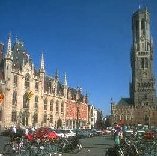
Bruges is the most visited place in Belgium. Perhaps the most perfectly
preserved medieval city in western Europe, with a number of museums containing many
superb Flemish masterpieces, its compact centre makes it easy to see on foot. Don't
miss the Helig Bloed Basiliek or the neighbouring Stadhuis. Picturesque houses and
buildings line the banks of the waterways and the city is full of good bars and
restaurants. The surrounding countryside is perfect for cycling and bikes can be
hired in Bruges. Take a boat or cycle to the pretty village of Damme.
Visit the official tourist
information website for Bruges
The town of Ieper (Ypres)
is best known for its role as a strategic centre in World War One and the town is
a central point for pilgrimages to the many war cemeteries in the area. Visit the
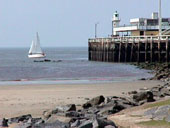
seaside towns of
Oostende,
Zeebrugge and
Knokke and the neat inland town of
Veurne with its lovely market square.
Oudenaarde is the centre of the Flemish tapestry industry, still thriving
today. In the market square is the elegant and flamboyant Stadhuis. The countryside
between here and
Kortrijk (Courtrai) comprises pleasant low hills.
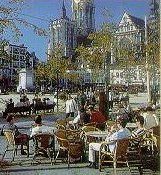
Ghent (Gand) has a lively centre with some superb buildings, narrow
attractive streets, a network of canals, a cathedral and some good museums. Good
for eating, with a mixture of French and Flemish cuisine and plenty of bars.
Antwerp is well worth visiting, a big industrial city and port but with
superbly preserved medieval churches and guildhouses and some of the best art collections
in the country. Like Brussells, buy a good guide book to get the best of Antwerp.
From the banks of the Scheldt river many boat trips explore the waterways
of the area. Other towns to visit in this corner of Belgium are
Diest,
Leuven,
Mechelen,
Lier and the open air folk museum at
Bokrijk.
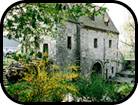
Tournai is worth a visit with its medieval buildings along the river, its
Romanesque cathedral, ancient belfry, lively bars and restaurants. Mons' museums
record the significant part it played in both World Wars, and around
Mons are some worthwhile sights - the castles of Beloeil and Attre
and the magical ruins of Villers-la-Ville abbey. The most southerly part
of this region is known as the Botte de
Hainaut and is a lovely countryside of rolling wooded hills and farmland
with a scattering of small towns.
 Drive-Alive on Facebook
© Copyright 1999-2024 Drive-Alive Holidays Ltd - All rights reserved.